
How to Clean and Care for a Copper Bracelet
Keep Your SABONA Copper Bracelet Looking Its Best
Copper is a natural metal that can gradually change in appearance with wear and exposure to air, moisture and the skin. Tarnishing, a deeper copper tone and a developing patina are all part of the natural character of exposed copper.
So, how do you clean a copper bracelet? For exposed copper, gentle cleaning followed by thorough drying and polishing with a soft cloth can help remove tarnish and restore its appearance. The correct method, however, depends on whether your bracelet is bare copper, lacquered or plated.
With a little regular care, your SABONA copper bracelet can continue looking its best for many years.
Why Does Copper Change Colour?
Copper naturally reacts with oxygen, moisture and substances it encounters during everyday wear. This is a normal characteristic of genuine copper.
Over time you may notice:
- A darker or richer copper colour
- Natural tarnishing or patina
- Small surface scratches from everyday wear
- Slight variations in the surface finish
These changes are not necessarily defects — they are part of the natural ageing and wear of copper jewellery.

How to Clean an Exposed Copper Bracelet
For exposed copper, one simple way to remove tarnish is to use a small amount of tomato ketchup. Its mild acidity can help loosen tarnish from the copper surface.
You'll need:
- Tomato ketchup
- Warm water
- A soft, clean cloth
Cleaning steps:
- Apply a small amount of tomato ketchup to the exposed copper surface.
- Gently rub it over the copper using your fingers or a soft cloth.
- Leave it for approximately 1–2 minutes.
- Rinse thoroughly with warm water.
- Dry the bracelet completely.
- Gently buff the exposed copper with a soft polishing cloth if required.
This method is intended for exposed copper surfaces. Do not automatically use the same cleaning method on lacquered, gold-plated, silver-plated or other specially finished surfaces.

What About Lacquered Copper?
Most polished SABONA copper bracelets are supplied with a clear protective lacquer. This coating helps slow natural tarnishing during the early life of the bracelet.
As the bracelet is worn, the lacquer may gradually wear in areas of regular contact, allowing more of the copper surface to become exposed. SABONA's brushed (matte) copper finishes are supplied without this lacquer to preserve their natural appearance.
Avoid aggressive polishing or abrasive cleaners on lacquered surfaces, as these can damage or remove the protective finish.
What About Gold- and Silver-Plated Copper Bracelets?
Plated bracelets require gentler care. Abrasive metal polishes and acidic household cleaning methods can damage or gradually wear away a plated surface.
For gold- or silver-plated designs, gently wipe the bracelet with a soft, clean cloth and follow the care instructions appropriate to that particular finish.
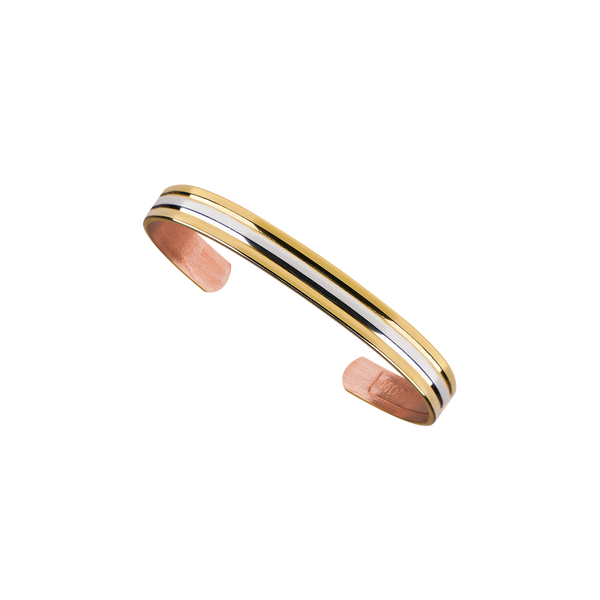
Some SABONA designs have a plated exterior while leaving copper exposed on the inside. In these cases, the exposed copper and the plated exterior should be treated differently when cleaning.
Using a Polishing Cloth
A soft polishing cloth is useful for regular maintenance of appropriate copper surfaces and can help restore their appearance between deeper cleans.
Always consider the finish of your particular bracelet before polishing. A method suitable for exposed copper may not be appropriate for a lacquered or plated surface.

Can I Wear My Copper Bracelet Every Day?
Yes. SABONA copper bracelets are designed for everyday wear.
Regular use may naturally produce:
- Fine surface marks
- A richer copper colour
- Natural ageing of the finish
- Patina on exposed copper
Some people enjoy the changing character of natural copper, while others prefer to maintain a brighter appearance through regular care.
How Often Should I Clean a Copper Bracelet?
There is no fixed cleaning schedule. How often a bracelet needs attention depends on how frequently it is worn, its finish and its exposure to moisture, perspiration and other substances.
You may want to clean or polish an exposed copper bracelet when you notice:
- Visible tarnishing
- Loss of shine
- Surface dullness
- Residue from everyday wear
A gentle wipe with a soft, clean cloth after wear can also help reduce the build-up of moisture and residue.
Frequently Asked Questions
What is the best way to clean a copper bracelet?
The best method depends on the bracelet's finish. Exposed copper can be gently cleaned to remove tarnish, while lacquered and plated surfaces require more careful treatment to avoid damaging their finish.
Can I clean a copper bracelet with tomato ketchup?
Tomato ketchup can be used sparingly on exposed copper because its mild acidity can help loosen tarnish. Rinse the copper thoroughly afterwards and dry it completely. Avoid using this method indiscriminately on lacquered or plated surfaces.
Is it normal for copper to tarnish?
Yes. Exposed copper naturally reacts with air, moisture and substances encountered during wear. This can cause the surface to darken or develop a patina over time.
Is it normal for a copper bracelet to scratch?
Yes. Copper is a relatively soft metal, so fine surface marks can develop through normal everyday wear.
Can I use metal polish on my copper bracelet?
A suitable metal polish may be used on some exposed copper surfaces, but it should not automatically be used on lacquered, plated or specially finished bracelets. Always check the finish and the product instructions first.
Why does my copper bracelet leave a green mark?
Exposed copper can react with moisture, perspiration and substances on the skin, sometimes leaving a temporary greenish residue. For a more detailed explanation, read Why Does Copper Turn Your Skin Green?
Caring for Copper Since 1959
At SABONA, we have been creating distinctive copper bracelets since 1959. More than six decades of British heritage have given us a deep appreciation for the individual character of copper and the way it changes with everyday wear.
Every finish is different, so good bracelet care begins with understanding whether the surface is exposed copper, lacquered or plated. With appropriate cleaning and regular care, you can preserve the appearance and character of your bracelet for years to come.




 English
 العربية
 繁體中文
 Français
 日本語
 한국어
 Português
 Español